 University of North Texas


Sherece Shavel, PhD, LMSW
Social Work
Clinical Assistant Professor
Chilton Hall 397G
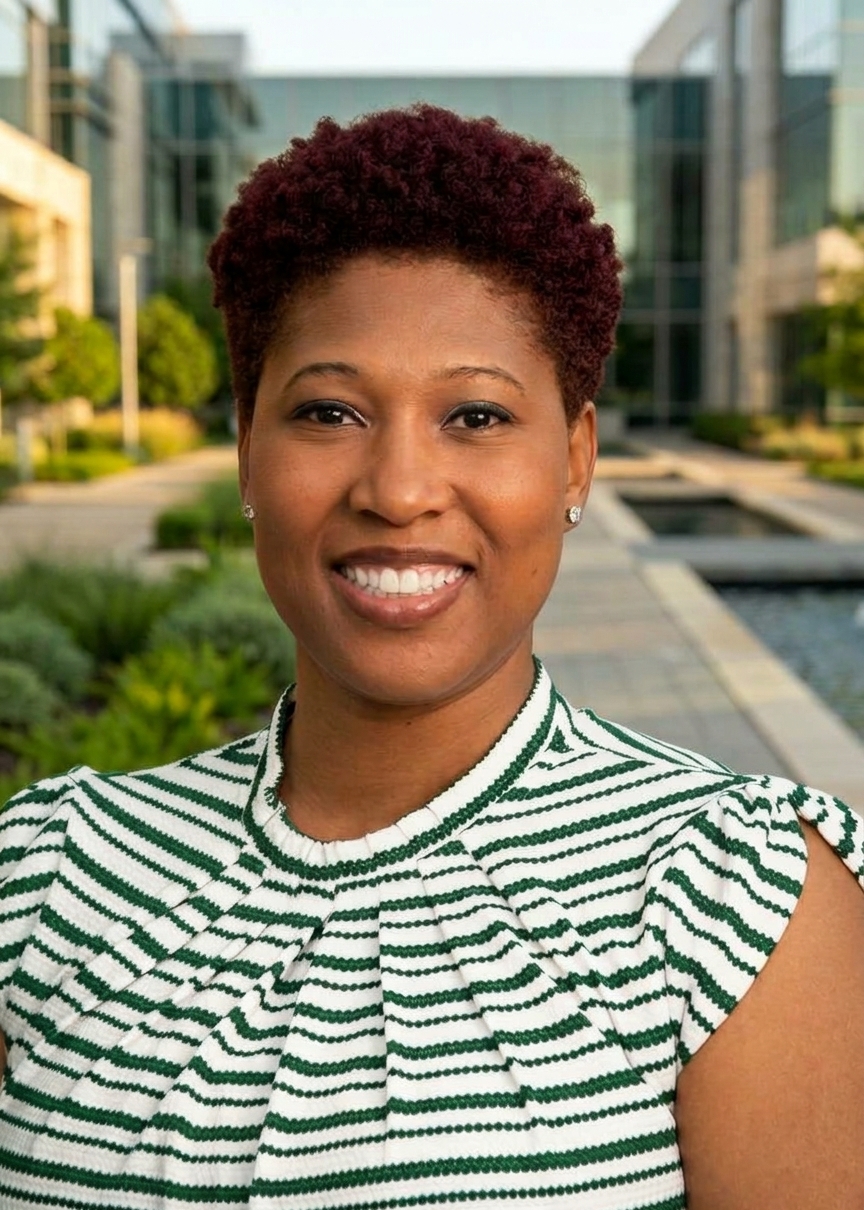
About
Dr. Sherece Shavel is a licensed social worker with a career exceeding 25 years of
professional work in areas of counseling, case management, program development and
management, teaching, student advising and mentorship, research and evaluation, faculty
development and mentorship, as well as administrative leadership. She is an ACUE graduate,
Quality Matters Master Reviewer, as well as peer reviewer for the Journal of Social,
Behavioral, and Health Sciences, the Journal of Social Work in the Global Community,
and for the NASW-TX annual conference. Her outlook is grounded by an underlying attitude
of resilience and determination. As an educator, Dr. Shavel promotes continuity of
the social work profession as well as identity strengthening, personal growth, and
a high pursuit of purpose. She strives to elicit a desire to learn and instill both
hope and passion for the critical causes grounding the social work profession, while
shaping student competence for a highly effective social work career. As a social
worker, her professional initiatives include, (1) strengthening the professional versatility
of aspiring social workers seeking justice-oriented careers, (2) advancing the field
of forensic social work, and (3) sensitizing the social consciousness of others to
the parenting challenges confronted by non-violent formerly incarcerated fathers toward
advancing their social position within the family unit and broader society.
Dr. Shavel joined the Department of Social Work faculty team in Fall 2026. She teaches
graduate level courses in the MSW Program, serves as faculty advisor, and collaboratively
participates on several committees.
Dr. Shavel enjoys spending time with family and friends, experiencing culture-enriched escapes, advancing charitable causes, and performing as a vocalist to support diverse community initiatives.
Dr. Shavel has several research interests to include further exploring the multifaceted lived experience of parenting among formerly incarcerated fathers to inspire strengths driven solution aspired interventions, exploring post-traumatic incarceration syndrome as well as post-traumatic growth, the transformation of quality in social work education, the advancement of a transdisciplinary social work curriculum, and the developmental outcomes of social work continuing education.