University of North Texas

Sport and Exercise Psychophysiology Lab
Ryan Olson, Ph.D.
ABOUT:
The Sport and Exercise Psychophysiology Laboratory, directed by Dr. Ryan Olson, focuses
on understanding how exercise influences brain function, cognition, and mental health.
Using psychophysiological methods such as electroencephalography (EEG) and electrocardiography
(ECG), the lab examines both the acute and chronic effects of exercise on neurocognitive
performance. In addition, the lab investigates neural and autonomic markers of dysfunction
in at-risk populations, including individuals with a history of concussion and those
experiencing mental and metabolic health challenges. This work aims to advance both
theoretical understanding and practical applications related to performance, health,
and recovery.
MISSION:
The mission of the Sport and Exercise Psychophysiology Lab is to advance scientific
understanding of the interactions between exercise, brain function, and health while
translating this knowledge into meaningful applications across clinical, performance,
and everyday settings. The lab is committed to producing rigorous, theory-driven research
that informs both scientific inquiry and real-world practice. A central goal is to
identify mechanisms and biomarkers that can improve assessment, intervention, and
long-term outcomes in diverse populations.
TRAINING PHILOSOPHY:
The Sport and Exercise Psychophysiology Lab is committed to providing a structured,
hands-on training environment that prepares students for a wide range of career pathways,
including academia, applied practice, and industry. Students are actively involved
in all stages of the research process, including study design, data collection, psychophysiological
signal processing, statistical analysis, and dissemination through conference presentations
and peer-reviewed publications.
Training in the lab emphasizes the development of both technical and professional
skills. Students gain experience working with psychophysiological equipment, learn
to manage complex datasets, and develop strong analytical and critical thinking abilities.
Equally important, the lab prioritizes mentorship, collaboration, and professional
development, encouraging students to take ownership of their work while receiving
guidance tailored to their individual goals.
The Sport and Exercise Psychophysiology Lab fosters a collaborative and goal-oriented
environment where students are expected to engage actively, contribute to ongoing
projects, and pursue independent research interests. Through this approach, trainees
develop the skills, experience, and professional identity needed to succeed in research-intensive
and applied careers related to human performance, health, and technology.
Current Projects
Are you interested in being a participant in any of the current studies?
Contact Dr. Ryan Olson for more information.
Exercise and Neurocognitive Function
Studies examining how acute and chronic exercise influence attention, inhibitory control, and cognitive processing using EEG-derived indices (e.g., P3, N2). This line of work includes investigations around exercise intensity (e.g., ventilatory threshold) and its impact on neuroelectric and behavioral outcomes.
Concussion and Neurocognitive Health
Projects focused on identifying persistent neurocognitive and affective processing differences in individuals with a history of sport-related concussion. Ongoing work examines behavioral performance alongside neural markers to better understand long-term outcomes and potential mechanisms of impairment.
Psychophysiological Markers of Mental Health
Research investigating autonomic and neural indicators of psychological functioning, including links between exercise, emotional processing, and mental health outcomes such as anxiety and depression.
Neural Processing of Food-Related Stimuli
Projects examining neural responses to food-related images using EEG to better understand attentional bias, reward sensitivity, and cognitive control processes associated with eating behavior. This line of work explores how factors such as exercise, metabolic health, and individual differences influence the processing of high- and low-calorie food cues, with implications for understanding dietary behavior and obesity risk.
Research Team
Are you interested in joining the team?
Contact Dr. Ryan Olson for more information.
Doctoral Students

Melissa Materia
Current Program Behavioral Science Ph.D.
Earned Degree(s) Psychological Science M.S. & Psychology B.S.
Research Interest Examining attention and working memory through EEG, identifying novel recovery strategies
for persistent neurocognitive differences in individuals with a history of sport-related
concussions, and the impact of exercise intensity on neurocognitive.
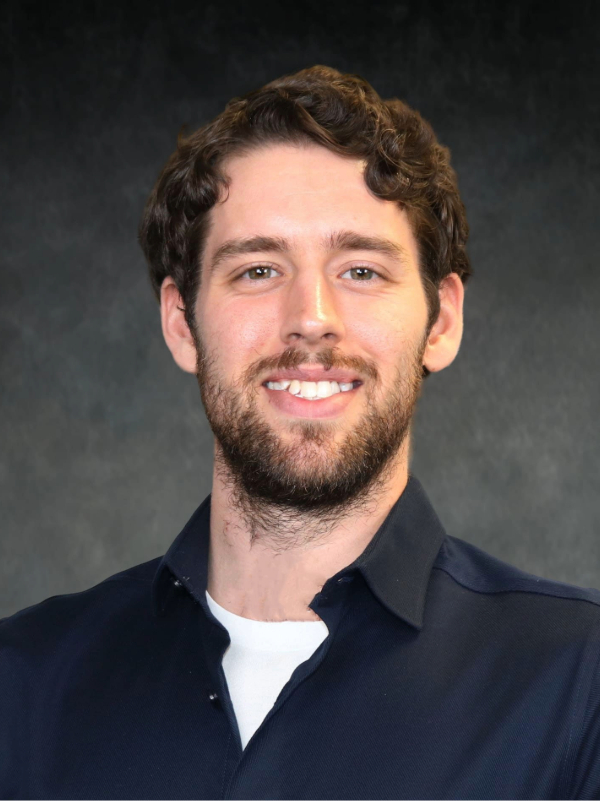
Cody Hamm
Current Program Human Performance and Movement Science Ph.D.
Earned Degree(s) Psychology B.S.
Research Interest Identifying psychophysiological antecedents and outcomes involved in nutritional
choices and exercise behaviors.
Master's Students
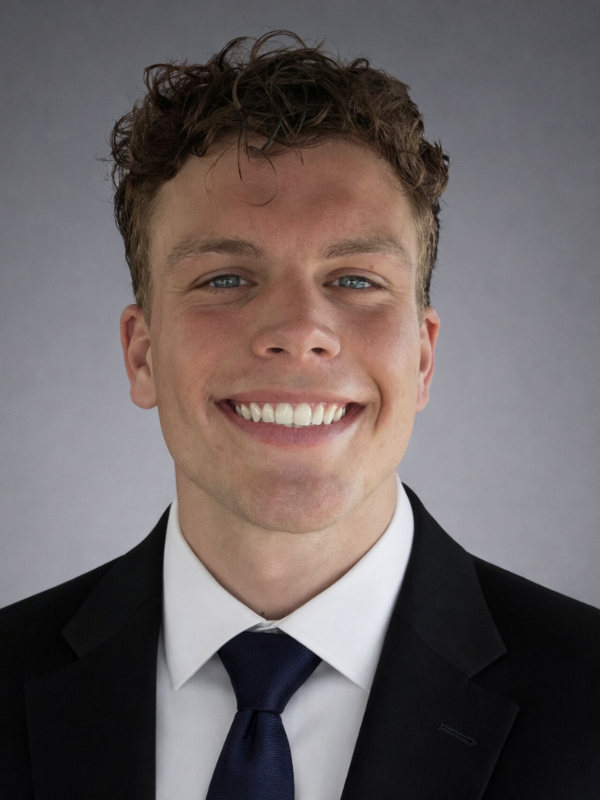

Shea Breton
Current Program Kinesiology M.S.
Earned Degree(s) Psychology B.S.
Research Interest Exploring restorative treatments for cognitive performance decline associated with
concussion history.
Undegraduate Students
Locate Us
Find the most up-to-date UNT campus parking information here.
Physical Education Building (PEB), 1st floor
1921 Chestnut St.
Denton, Texas 76203