 University of North Texas


Human Performance & Movement Science (Ph.D.)

Research aimed at improving human health
Applicants must secure a Major Professor before applying.
The Human Performance and Movement Science Ph.D. program provides doctoral-level research training and educational opportunities to students interested in human performance and disease prevention through movement science. Students will gain knowledge and conduct research on the interrelatedness between physical activity and health in an effort to reduce health disparities in minoritized populations through physical activity and lifestyle change.The program currently offers tracks in Applied Physiology and Human Performance Psychology. A third track in Physical Activity and Movement Science will begin in Fall 2027.
Throughout the program, each doctoral student works closely with a Major Professor
(faculty advisor/mentor). This approach provides unique opportunities for students
to gain competencies specific to the Major Professor and laboratory they join when
entering the program.
The HPMS Ph.D. program places an emphasis on research-based learning experiences by
guiding students through independent projects, data collection, development of research
ideas, study design and methods, and completion of a dissertation project.
Credit Hour Requirements
HPMS students are required to complete the total credit hour minimum amounts below,
based on the degree type earned upon admission (i.e., master's or bachelor's).
Entering with a master's degree
54 Total Credit Hours
Coursework
54 credit hours (minimum)
+
Dissertation
12 credit hours (minimum)
54 credit hours (minimum)
+
Dissertation
12 credit hours (minimum)
Entering with a bachelor's degree
90 total credit hours
Coursework
78 credit hours (minimum)
+
Dissertation
12 credit hours (minimum)
Program Tracks
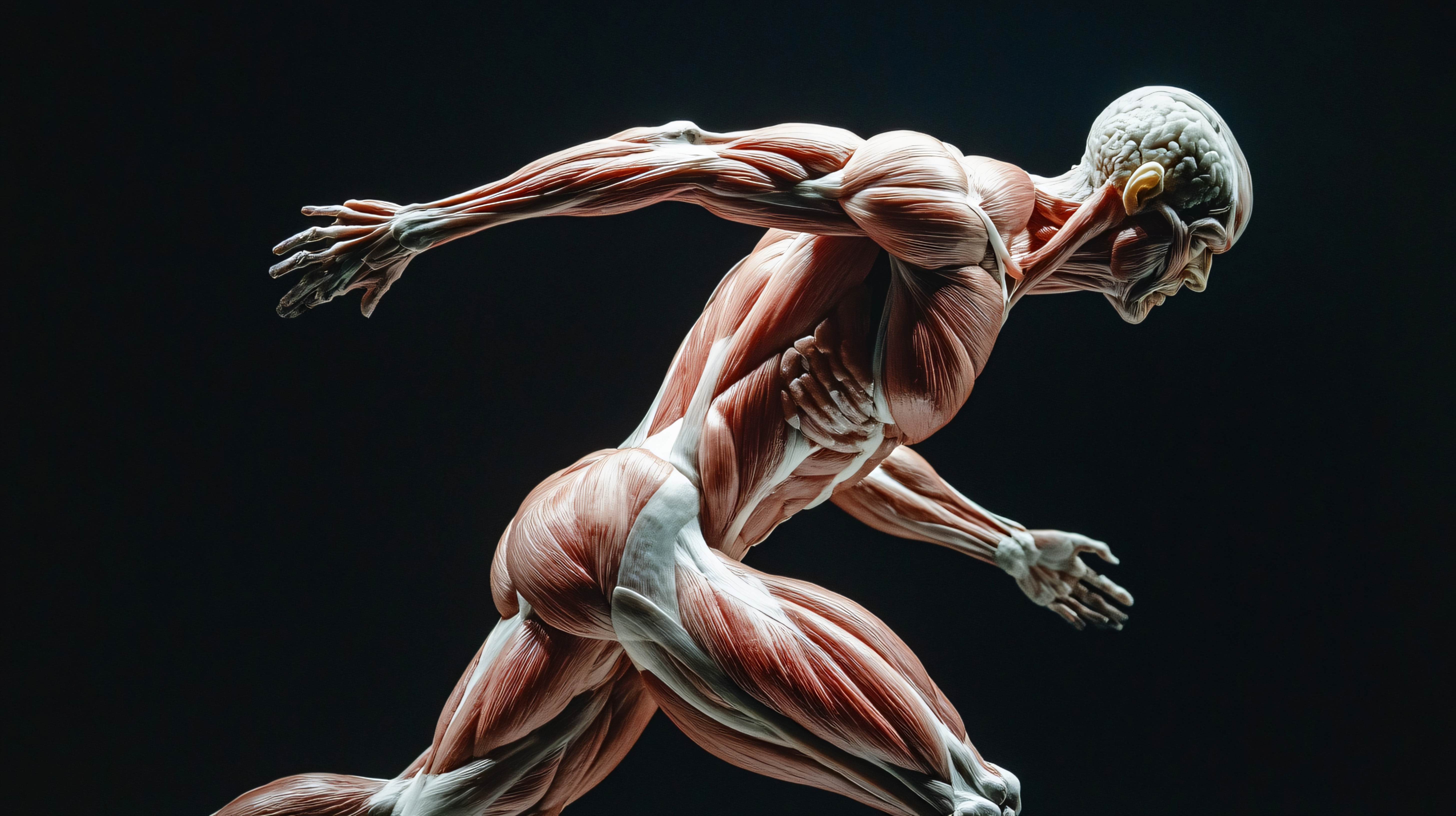
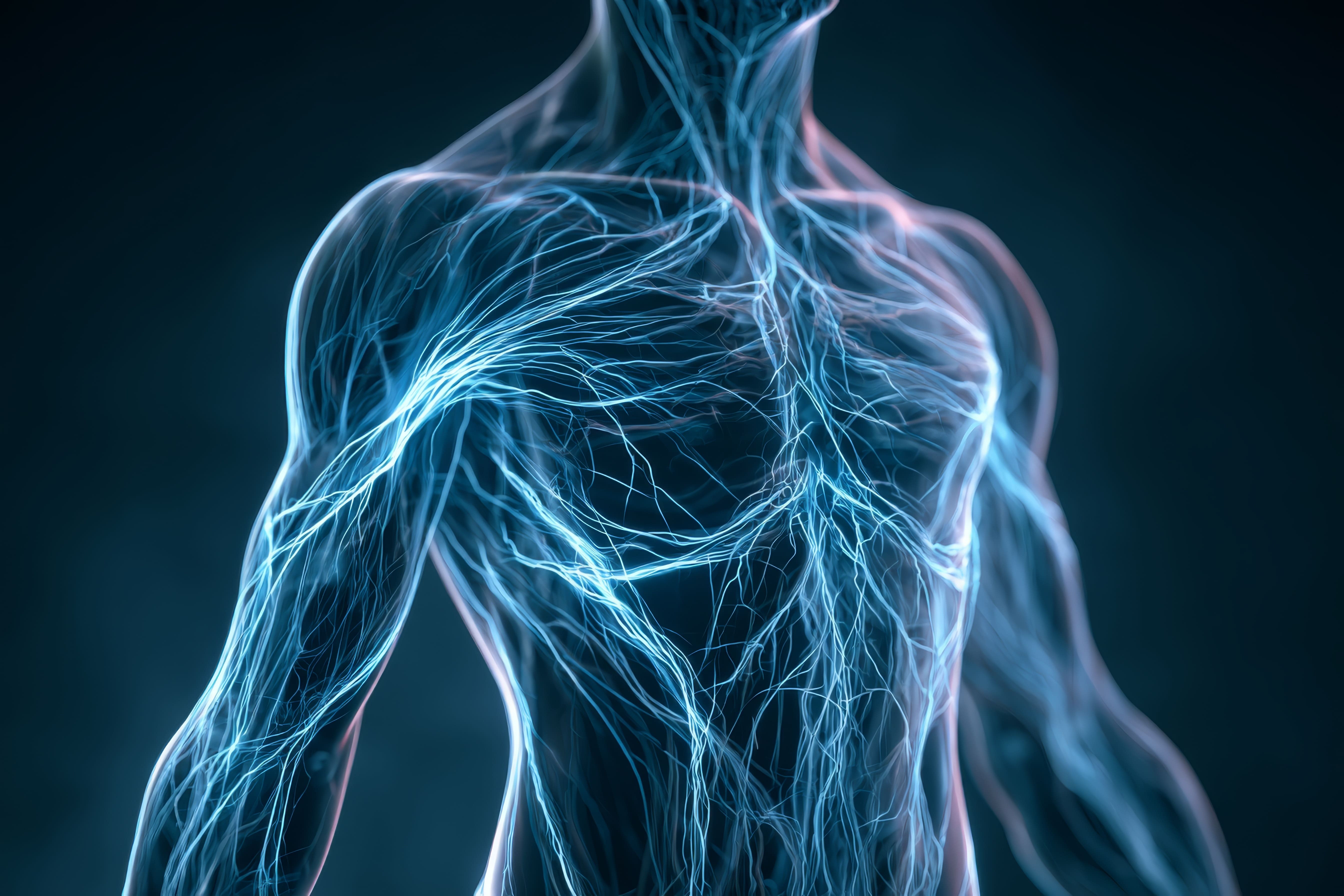
The distinct research of HPMS Ph.D. program faculty can be categorized into three
areas.

Program Faculty & Research
Search by program research area to discover HPMS faculty and their individual areas
of expertise. Explore faculty profiles, CVs, research groups, and laboratories to
discover whose research aligns with yours.
You must secure a Major Professor prior to applying.
You must secure a Major Professor prior to applying.
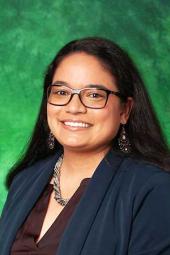
Sarah Deemer, Ph.D.
Research Areas: Obesity and cardiometabolic disease; adipose tissue metabolism; nutrition
and exercise interventions; health disparities.
Integrative Metabolism & Disease Prevention Lab
Integrative Metabolism & Disease Prevention Lab
*Not accepting doctoral students for Fall 2027*

Anthony Duplanty, Ph.D.
Research Areas: Exercise physiology, muscle hypertrophy and atrophy.
*Accepting doctoral students for Fall 2027*
*Accepting doctoral students for Fall 2027*
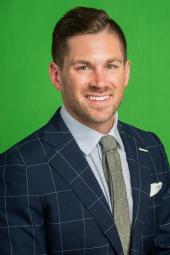
Joshua Keller, Ph.D.
Research Areas: Resistance training, peripheral vascular function, sex differences.
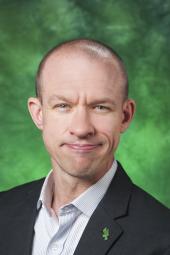
Brian McFarlin, Ph.D.
Research Areas: Exercise physiology, nutrition, and immunology.
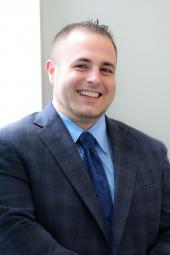
Justin Sprick, Ph.D.
Research Areas: Vascular function, neuro-circulatory control, cerebral blood flow
regulation.
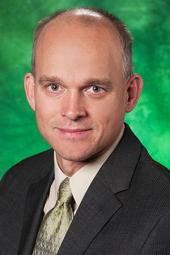
Jakob Vingren, Ph.D.
Research Areas: Physiology of resistance exercise related to hormones, nutrition,
health, and performance.
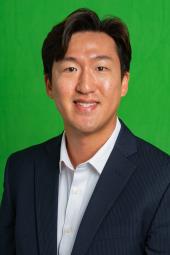
Myungjin Jung, Ph.D.
Research Areas: Exercise psychology, neurophysiology and fNIRS, executive function
and memory, depression, and physical activity epidemiology.
*Not accepting doctoral students for Fall 2027*
*Not accepting doctoral students for Fall 2027*
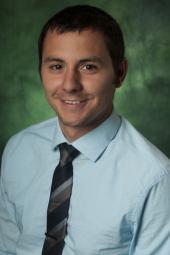
Ryan Olson, Ph.D.
Research Areas: Exercise psychology; neurophysiology and cognition; autonomic function
and stress reactivity.
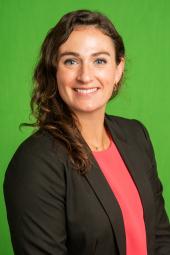
Megan Ware, Ph.D.
Research Areas: Affective states, exercise behavior, qualitative and mixed methodologies,
and clinical populations.
Psychosocial Realms of Special Populations Exercise Research (PRoSPER)
*Not accepting doctoral students for Fall 2027*
Psychosocial Realms of Special Populations Exercise Research (PRoSPER)
*Not accepting doctoral students for Fall 2027*
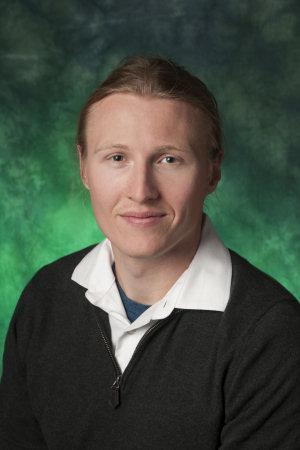
Andrew Colombo-Dougovito, Ph.D.
Research Areas: Autism spectrum disorder/developmental disabilities; physical activity
behavior, lifetime motor development; motor skill assessment.
Disability & Movement Research Collective
*Accepting doctoral students for Fall 2027*
Disability & Movement Research Collective
*Accepting doctoral students for Fall 2027*
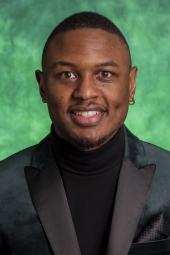
Jerraco Johnson, Ph.D.
Research Areas: Physical activity and health, family health behavior development,
obesity and health disparities, diversity in kinesiology.
Disability & Movement Research Collective
*Accepting doctoral students for Fall 2027*
Disability & Movement Research Collective
*Accepting doctoral students for Fall 2027*
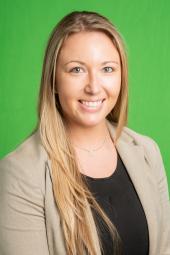
Samantha Moss, Ph.D.
Research Areas: Physical activity promotion; socio-ecological disparities; motor competency.
*Accepting doctoral students for Fall 2027*
*Accepting doctoral students for Fall 2027*
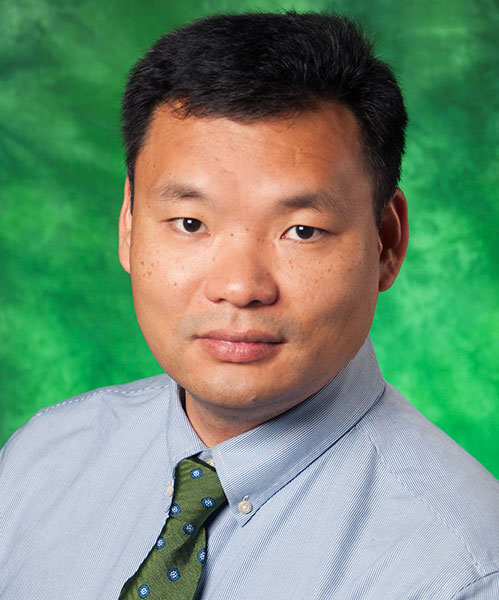
Tao Zhang, Ph.D.
Research Areas: Psychosocial determinants of physical activity and health; youth physical
activity and health disparity; achievement motivation, motor development.

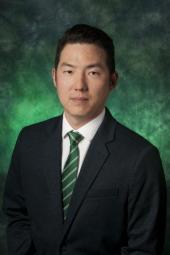
Minhong Kim, Ph.D.
Research Areas: Human and financial resource management of nonprofit and international
sport organizations; Consumer behaviors in national and international sport events;
Advanced statistical methods.
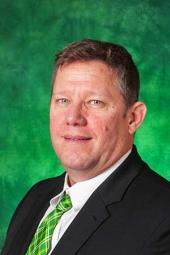
Joseph Walker, Ph.D.
Research Areas: Recreation and Sport program and membership / customer retention,
Facility management and accessibility, Recreation and Sport Organization Staff Retention,
Community Physical Activity Infrastructure: Use and Development.
Research Groups & Labs
Faculty Researchers:
Brian McFarlin, Ph.D.
Jakob Vingren, Ph.D.
Brian McFarlin, Ph.D.
Jakob Vingren, Ph.D.
Faculty Researchers:
Justin Sprick, Ph.D.
Justin Sprick, Ph.D.
Faculty Researchers:
Andrew Colombo-Dougovito, Ph.D.
Jerraco Johnson, Ph.D.
Andrew Colombo-Dougovito, Ph.D.
Jerraco Johnson, Ph.D.
Faculty Researchers:
Joshua Keller, Ph.D.
Joshua Keller, Ph.D.
Faculty Researchers:
Sarah Deemer, Ph.D.
Sarah Deemer, Ph.D.
Faculty Researchers:
Tao Zhang, Ph.D.
Tao Zhang, Ph.D.
Faculty Researchers:
Megan Ware, Ph.D.
Megan Ware, Ph.D.
Faculty Researchers:
Ryan Olson, Ph.D.
Ryan Olson, Ph.D.
FAQs
How do I apply?
Once you have secured a Major Professor, you will be provided with the next steps at that time.
Is there a deadline to apply?
There are no set deadlines but most decisions are made by May 1st.
Is there a minimum GPA requirement to apply?
A 3.5 GPA or above is recommended but not required.
Are GRE scores required?
No. GRE scores are not required.
What are the two tracks?
Currently, the two tracks are Applied Physiology and Human Performance Psychology.
Will I receive funding during the program?
Your Major Professor will attempt to secure funding for you to help offset the cost of attending graduate school. Typical funding consists of a Graduate Assistantship position (part-time employment) and tuition benefits. Other funding options may consist of scholarships, awards, or grants.
Details will be discussed with your potential Major Professor in the pre-application process.
What is the anticipated time to complete the program?
If you are entering with a master's degree, you should expect to complete all coursework within 2 years and your dissertation within an additional 2 years.
If you are entering with a bachelor's degree, you should expect to complete all coursework within 4 years and your dissertation within an additional 2 years.
If I am entering with a bachelor's degree, will there be opportunity to earn a master's
degree?
The first 2 years of the HPMS Ph.D. program will provide you with the opportunity to earn a Master of Science in Kinesiology degree, if all requirements are met. Feel free to explore the master's program website, but keep in mind that your requirements will vary slightly.
Is this an online program?
All courses are offered in-person on UNT's Denton campus.